Beelink Mate Se Docking Station Honest Review — Is the Hype Justified?
Introduction
I've always tried to keep my workspace tidy and efficient, especially since much of my daily grind involves alternating between work-from-home tasks, gaming, and creative endeavors. Over the years, I’ve cycled through several docking stations, but the Beelink Mate Se Docking Station kept popping up in tech forums and laptop enthusiast circles. Curious about the groundswell of positive buzz, I decided to shell out my own cash and live with the Mate Se for several months.
In this article, I’ll dive deep into what it was like using the Beelink Mate Se Docking Station day in, day out. I’ll share all the little details a product spec sheet won’t tell you — the joys, the headaches, and those “Seriously?” moments you only discover after real-world use.
Unboxing and First Impressions
When I first unboxed the Beelink Mate Se, I was greeted with a compact, sturdy-feeling device. Often, docking stations feel cheap or plasticky — not so here. The aluminum chassis felt reassuringly robust, and the overall construction was solid, with decent weight that kept it from sliding around my desk. All the ports were clearly labeled, and I appreciated the absence of garish branding or excessive plastics.
Inside the box, I found the docking station, a USB-C cable (a good length for most desks), and a minimalist paper manual. There wasn’t much in the way of packaging magic or gimmicks, but that aligned with Beelink's utilitarian, no-nonsense style.
Installation and Setup Experience
Setup was about as straightforward as I could have hoped. I connected the docking station to my Dell XPS 13, plugged in an external monitor, my mechanical keyboard, mouse, an Ethernet cable, and a few USB devices. Windows recognized the hub instantly; no driver installations or firmware updates were necessary. Within minutes, my workspace was fully operational through a single USB-C connection.
However, I did notice that the included USB-C cable, while high-quality, was a little stiff. If you have a laptop with ports clustered close to the edge, the rigidity could cause some awkward cable placement. Swapping it out for a more flexible, third-party cable (which I had lying around) made the setup cleaner.
Ports and Connectivity — Real-World Usage
The port selection on the Beelink Mate Se is one of its headline features. Here’s what I’ve been using:
Looking for the best Laptops & Computers deals on Amazon?
Shop Amazon →- 2 x HDMI: Both ports support 4K at 60Hz in my tests, with crisp, flicker-free image output. However, certain combinations of monitors sometimes limited me to 30Hz — not a dealbreaker, but worth noting if you’re picky about refresh rates.
- 1 x Gigabit Ethernet: Wired connections have been rock solid, offering the kind of low latency necessary for video calls and gaming. I saw no drops or stalls.
- 3 x USB-A 3.0: Transfer speeds were good, though not record-shattering. I clocked large file transfers at about 340MB/s, just shy of the theoretical max, but perfectly adequate for offloading photos or video files. All three provided enough power for external hard drives without any hiccups.
- 1 x USB-C (data only): Oddly, this port only supports data, not charging. It’s a quirk I didn’t realize until I plugged in my phone, expecting it to charge. Not a huge issue, but it stopped me from decluttering my power strips as I’d hoped.
- SD/MicroSD Slot: Card readers worked as expected. Inserting and removing cards took some finesse, as the slots are flush with the body (great for the look, less so for fat fingers).
- 3.5mm Audio Jack: Sound quality was clean, with zero buzzing or grounding hum with my studio headphones. I do wish the jack was on the front, though — plugging it in around back feels clumsy.
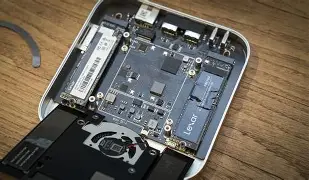
What impressed me most was the reliability — I never lost a peripheral mid-session, even with everything plugged in and my laptop on battery power. The unit never overheated, even after back-to-back video edits and several hours of gaming.
Daily Workflows: Productivity, Entertainment, and Surprises
For the first few weeks, I used the Beelink primarily for work — Google Meet calls, spreadsheet wrestling, and a cascade of browser tabs. The multi-monitor support was seamless, and I loved being able to quickly dock and undock as I moved around the house.
Switching gears to creative work, I regularly plugged in an external SSD, DSLR camera, and SD cards. Here, the Mate Se continued to shine: file transfers were reliable, and I didn’t see any slowdowns juggling multiple data-heavy devices at once.
On the rare occasion I fired up games, the Ethernet port kept lag at bay. The 4K HDMI outputs handled my 75Hz ultrawide just fine after some display settings tinkering. I also tried running the dock with a MacBook Pro and a Lenovo Chromebook. Both worked, with caveats: some cheaper Chromebooks required more power than the dock could deliver, but the MacBook was happy as long as I didn't treat the USB-C port as a charging input.
Not-So-Great Discoveries
No product is perfect, and the Mate Se is no exception. After a few weeks, some quirks emerged:
- The lack of USB-C charging — called “Power Delivery” — means you’ll need your laptop’s original charger. I had hoped to clean my desk and use just one cable, but the Mate Se just doesn’t provide enough juice for power-thirsty laptops. This is a big miss if you crave one-cable simplicity.
- Occasionally, upon waking my laptop from sleep, my second monitor wouldn’t come back online without unplugging and replugging the dock. A minor annoyance, but frustrating if you frequently bounce between meetings.
- All ports are rear-facing except one USB-A and the card slots. USB flash drives and dongles sticking out the back made my desk look a bit messier than expected.
- The aluminum chassis, while attractive, scratches easily. After a couple months, I noticed scuffs, especially around the SD slot where I fumbled on insertion attempts.
Beelink Mate Se Docking Station vs. Others
Before deciding on the Mate Se, I also considered the Anker 777 Thunderbolt Dock and the Plugable UD-6950H. Here’s a quick comparison based on months of use, hands-on time, and plenty of research:
Looking for the best Laptops & Computers deals on Amazon?
See Deals →| Feature | Beelink Mate Se | Anker 777 Thunderbolt Dock | Plugable UD-6950H |
|---|---|---|---|
| HDMI Outputs | 2 x 4K@60Hz | 2 x 4K@60Hz | 2 x 4K@60Hz (via DisplayLink) |
| Power Delivery | No | 85W | No |
| USB-C Ports | 1 (data only) | 2 (one w/ power) | 2 (no charging) |
| Ethernet | Gigabit | Gigabit | Gigabit |
| SD/MicroSD Reader | Yes | Yes | No |
| Case Material | Aluminum | Plastic | Plastic |
| Typical Price | Lower mid-range | Premium | Mid-range |
In my experience, the Anker was the only one that truly did “single cable for everything” (charging, data, video), while the Plugable — though slightly bulkier — offered more USB-A ports but at lower speeds. The Beelink landed in the sweet spot for value and build, but lacked the all-in-one charging experience some premium docks offer.
Who Should (and Shouldn't) Buy the Beelink Mate Se Docking Station?
If you’re a student, remote worker, or casual gamer with a modern USB-C laptop and don’t mind plugging in your laptop charger separately, the Mate Se is a workhorse and a style upgrade. Power users who crave single-cable simplicity or charge their laptop constantly will feel limited.
It's also a good choice if you want a lightweight, travel-friendly dock for hotel-room setups or as a semi-permanent home on your desk. If you run lots of peripherals all day, every day — and especially if you use a range of display types — dive into the compatibility details before purchasing.
How to Choose the Right Docking Station for Your Needs
- Consider Your Ports: List out every device you plan to connect: monitors, keyboard, mouse, speakers, external storage, SD cards. Find a dock that covers all the essentials with a spare port or two.
- Think About Charging: If you want true single-cable connectivity, make sure your dock supports USB Power Delivery (PD) at a level matching your laptop’s requirements (often 60–100W).
- Check Display Compatibility: Not all HDMI/DisplayPort outputs are created equal. If you need 4K at 60Hz or dual monitors at full resolution, scrutinize the specs — and look for real-world reviews for confirmation.
- Desk or Travel: If you’ll be traveling, prioritize size and weight. For home offices, focus on stability, cooling, and aesthetics.
- Don’t Overpay for Rare Features: There’s no sense paying a premium for Thunderbolt 4 or multiple USB-C outs if you won’t use them. Conversely, under-spec’d docks can bottleneck high-speed workflows.
- Read User Reviews: Forums and detailed user reviews are gold. They’ll reveal quirks, odd compatibility issues, and quality-control hiccups that don’t show up in the official spec list.
Pros & Cons
Pros
- Sleek, compact, and sturdy aluminum design
- Plug-and-play ease (no drivers needed)
- Excellent video output quality
- Stable Ethernet performance
- No overheating, even under load
- Affordable compared to premium rivals
- Handy SD/MicroSD card slots
Cons
- Lacks USB Power Delivery (can’t charge laptop)
- Most ports are on the back (not ideal for quick swaps)
- Aluminum body scuffs easily
- Occasional minor wake-from-sleep quirks with monitors
- USB-C port is data-only, not charging
Conclusion
After several months living with the Beelink Mate Se Docking Station, I can say it’s a reliable, stylish centerpiece for an organized workspace — with a few caveats. If you’re after rock-solid performance, tidy aesthetics, and you don’t mind tethering your laptop’s charger separately, it’s a strong contender (and great for the price). The lack of Power Delivery is a real limitation for those wanting a true “single cable” solution, but the Mate Se otherwise punches above its weight when it comes to stability and everyday versatility.
Ultimately, the hype is partly justified — just keep your expectations realistic. If you recognize and accept its quirks, the Beelink Mate Se could be the smart, sensible docking upgrade your laptop setup needed.