Go Air Pop True Wireless Review: Real User Experience After 3 Months
I've been using the Go Air Pop True Wireless earbuds as my daily drivers for about three months now. I bought them with the idea of getting a no-fuss, inexpensive pair of TWS for commuting, quick workouts, and phone calls. What I found was a mix of pleasant surprises and a few realistic trade-offs you should know about before buying. Below I share a detailed, hands-on account of setup, sound, battery, call quality, comfort, durability, daily usability, and whether I think they're worth it based on my real usage.
Introduction
I wanted a simple, light pair of earbuds that I wouldn't worry about beating up, that sounded good enough for most music, and that offered decent battery life. In my experience, Go Air Pop delivers on that brief in many ways — and falls short in others. I used them for phone calls, podcast listening, Spotify playlists, a few mobile games, and gym sessions. Over these three months they lived in pockets, gym bags, and a desk drawer, and I used the case and buds every day.
Unboxing and First Impressions
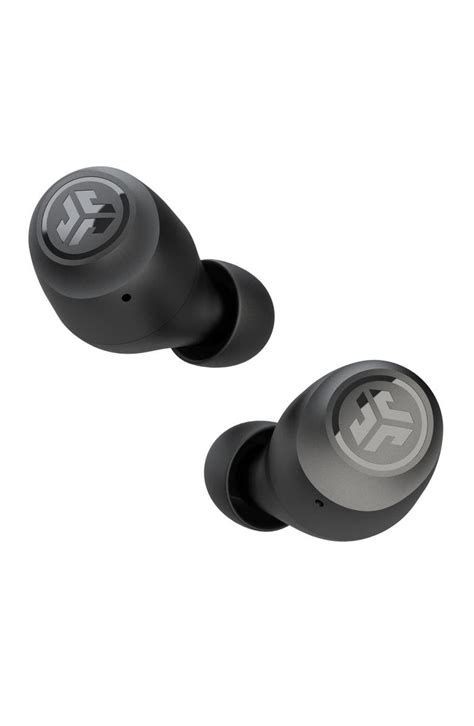
Right away I noticed how light the case and earbuds are. The case fits easily in a front pocket, and the earbuds themselves feel more like lightweight plastic than premium metal — which is fine for what these are. I paired them with my phone within seconds using the standard Bluetooth pairing flow; pairing was smooth and fast. I was surprised by how small and discreet the buds are — they sit shallow in the ear, so they never felt intrusive while I worked at my desk.
Design & Comfort
In my experience, the design is one of the Go Air Pop's strongest points. The earbuds are compact with a matte plastic finish that resists fingerprints. The case has a satisfying snap, and the lid is easy to open one-handed. I noticed that the earbuds are very lightweight — after long listening sessions I barely felt them. If you prefer shallow-fit earbuds rather than silicone-sealed in-ears, you'll probably appreciate how unobtrusive these are.
One thing I noticed was that the shallow fit also means the passive noise isolation is limited. I could still hear bus engines, office chatter, and people talking nearby. For commuting, that meant I had to raise volume a bit more than I usually would. Also, while the fit is comfortable for many activities, on particularly bouncy runs they sometimes shifted, so I wouldn’t recommend them as the go-to for intense workouts unless you use extra stabilizing earhooks or fins (which they don’t include).
Sound Quality: What I Heard
In my listening sessions I played a mix of genres: acoustic singer-songwriter tracks, electronic, pop, and a few rock songs. What I found was:
- Bass: The earbuds have a noticeable bass emphasis. I was surprised by how punchy casual tracks sounded — kick drums and basslines hit with more presence than I expected for the price. If you love bass-forward mixes you'll enjoy it.
- Mids: Vocals are slightly recessed compared to the bass. I noticed this on acoustic tracks where lead vocals sounded a touch behind the instrumentation. Podcasts and spoken audio were still clear enough but not as intimate as mid-focused buds I've used.
- Highs: Treble is pleasant without being overly bright. I didn't find them harsh at higher volumes, and cymbals had enough shimmer for most pop mixes.
- Soundstage: The soundstage is on the narrower side. I could tell instruments apart, but there wasn't a wide, airy soundstage like on more expensive buds. For casual listening and commuting this wasn't a big deal.
Overall, in my experience the Go Air Pop leans toward fun, bass-forward listening. If you want analytical detail or wide soundstage imaging, you'll notice the gap. But for everyday music, podcasts, and casual video watching, they deliver a satisfying experience.
Battery Life and Charging
My everyday usage pattern was: about an hour in the morning on commute, intermittent use during the day for calls and podcasts, and another short session in the evening. The manufacturer advertises extended hours with the charging case. In my testing I typically got about 4.5–6 hours of continuous playback on a single earbud charge at moderate volume, and the charging case provided multiple top-ups over the week. That translated to roughly two to three full charges for the earbuds from the case before I needed to recharge the case itself.
Find top-rated Audio & Headphones products at great prices.
Shop Amazon →Charging the case via USB-C felt convenient and reasonably fast. I appreciated not having to hunt down an old micro-USB cable. I noticed that when I used them for long voice-call-heavy days, battery drained slightly faster — which is expected. In my experience, the battery performance is perfectly usable for a budget pair: not class-leading, but reliable.
Call Quality and Microphone
For work calls I used the earbuds with my phone and with a laptop on a few Zoom calls. What I found was honest and typical for budget TWS:
- My voice came through clearly on quieter calls and in indoor environments. Call recipients said my voice sounded clear when I was stationary.
- Outdoors, wind and background noise affected call clarity more than with better microphones. I had to pause or lean away from busy streets because the mic picked up traffic noise.
- There’s no active noise cancelation for the mic, so call quality fluctuates with the environment.
In short, call quality is fine for casual conversations and short work calls, but if you need the best mic clarity in noisy outdoor scenarios, you might find it lacking.
Controls and Daily Use
The Go Air Pop uses touch controls on each bud. In my experience they work most of the time, but they can be finicky:
- Single taps for play/pause and double taps for track skip worked reliably about 80% of the time.
- Long presses to activate voice assistant or toggle modes sometimes required readjusting the bud in my ear to register properly.
- I missed having a companion app with EQ presets — there wasn't one provided, so sound tuning had to come from the device EQ on my phone.
Battery and connection status are indicated by a small LED on the case. I liked that there was a quick visual check for charge level, but I would've preferred an on-screen battery percentage indicator integrated with my phone's Bluetooth menu (it sometimes showed up, sometimes didn't, depending on the device and OS).
Durability and Build Quality
I carried these in pockets and gym bags daily, and they held up well cosmetically. The finish didn't scuff badly and the hinge on the case stayed solid after months of opening and closing. The earbuds are splash-resistant, which was handy for sweaty gym days and light rain. I wouldn't immerse them, and I avoided that. After three months of normal wear, they still functioned like new.
Gaming & Latency
I tried the low-latency mode (on phones that support it) when playing a few mobile games. What I noticed was that for casual games the synchronization was fine — video and audio lined up well enough for me to enjoy gameplay. For highly competitive gaming where millisecond response matters, I detected a small but noticeable lag. If you're a mobile gamer who needs ultra-low latency, these won't replace higher-end gaming earbuds, but for casual play they do the job.
What I Appreciated
- Lightweight, comfortable design that I could wear for extended periods without fatigue.
- Surprisingly punchy bass for a budget earbud — music sounded lively.
- Compact charging case that fits in a front pocket comfortably.
- USB-C charging and reliable daily battery life for average use.
- Good value for day-to-day listening, commuting, and casual workouts.
What Disappointed Me
- Limited passive noise isolation due to shallow fit — needed higher volume in noisy places.
- Touch controls can be inconsistent, especially for long-press actions.
- No companion app or EQ customization — I had to rely on phone EQ.
- Microphone performance outdoors suffered in wind and traffic.
Pros & Cons
- Pros
- Lightweight and comfortable for long wear
- Punchy bass and enjoyable sound signature for casual listeners
- Compact case and USB-C charging
- Good day-to-day battery life
- Durable finish for daily carry
- Cons
- Shallow fit results in limited noise isolation
- Touch controls are sometimes unreliable
- No app or EQ presets for tuning sound
- Mic struggles outdoors with wind and traffic
- Latency is okay but not ideal for competitive gaming
Comparison
To put these in perspective, I compared them to two other pairs I've used: an older generic budget set I owned and a midrange pair I tested last year. Below is a concise comparison based on my experience.
Discover deals on Audio & Headphones — updated daily.
See Deals →| Feature | Go Air Pop (this review) | My Old Budget Pair | Midrange Pair I Tested |
|---|---|---|---|
| Comfort & Fit | Very light, shallow fit, comfortable for long wear | Bulkier, less comfortable long-term | Secure fit with multiple ear tip options |
| Sound Signature | Bass-forward, fun for pop/electronic | Muddy bass, unclear mids | Balanced, detailed, wide soundstage |
| Battery | Reliable daily battery; case provides multiple top-ups | Poorer battery life, needed frequent charging | Longer battery life and fast charging |
| Call Quality | Good indoors, struggles outdoors | Poor clarity overall | Clear calls with noise suppression |
| Controls & Extras | Touch controls, no app | Button controls, no app | Touch controls, companion app, EQ |
| Price/Value | Excellent value for casual users | Lowest cost, fewer features | Higher price, premium features |
Buying Guide: Who Should Consider the Go Air Pop?
In my experience, these are best for:
- Casual listeners who want a fun, bass-forward sound without spending much.
- People who prioritize lightweight comfort and portability over feature-rich earbuds.
- Commuters and desk workers who need a simple pair for music and occasional calls.
- Anyone who prefers USB-C charging and doesn’t need a companion app or advanced EQ.
Consider other options if you:
- Want active noise cancellation or deep passive isolation — these won’t replace ANC buds.
- Need the clearest possible call quality in noisy outdoor environments.
- Are a competitive mobile gamer needing the absolute lowest latency.
- Require a customizable sound profile via an app or EQ presets.
How I Tested
To give you a sense of how I formed these opinions, here’s how I tested them over three months:
- Daily commutes (bus and walking) to test passive isolation and comfort
- At-desk use for long calls and podcast listening
- Short gym sessions and light jogging to evaluate fit during movement
- Streaming videos and playing casual mobile games to check latency
- Multiple calls in indoor and outdoor situations to assess mic performance
- Charging and battery cycles over several weeks to verify real-world battery life
Final Thoughts and Conclusion
After using the Go Air Pop True Wireless earbuds for three months, I feel they carve out a solid niche as practical, inexpensive earbuds that do many everyday things well. I was pleasantly surprised by the punchy bass, comfortable weight, and reliable battery for normal daily use. They became my go-to pair when I didn't want to worry about scratching or losing a more expensive set.
What I found was that trade-offs are real: limited noise isolation, touch controls that can be inconsistent, and a mic that struggles outdoors. In my experience these are common compromises for the price point. If you understand those limitations and want an affordable, comfortable pair for music and casual calls, the Go Air Pop delivers strong value.
Personally, I kept them in regular rotation even after testing higher-end options because they do exactly what I ask of a budget TWS: they sound enjoyable, pack enough battery for everyday patterns, and remain unbothered by daily wear. One thing that bothered me at times was the absence of app-based EQ to fine-tune the recessed mids; if they offered that, they’d be much closer to a perfect budget pick. Still, I recommend them to friends looking for dependable, no-frills earbuds that punch above their price in everyday listening.