Head-to-Head: Withings Sleep Analyzer vs Garmin Index Sleep Monitor (Detailed Comparison)
Sleep tracking has become a mainstream tool for people who want to improve restorative rest, manage health conditions, or simply understand nightly patterns. Two approaches stand out in the consumer market: the non-wearable, under-mattress sensor exemplified by the Withings Sleep Analyzer, and Garmin’s ecosystem-based sleep monitoring approach—commonly experienced through its wearables and supporting platforms. This comparison examines how these approaches differ in design, data depth, real-world use cases, ease of ownership, and the things buyers typically care about when choosing a sleep-monitoring solution.
Introduction: Two philosophies of sleep monitoring
At a high level, the Withings Sleep Analyzer and Garmin’s sleep-monitoring ecosystem represent distinct philosophies. Withings focuses on a dedicated, passive bedside sensor that emphasizes detailed sleep staging and breathing disturbance detection without the need to wear a device. Garmin, in contrast, applies sleep analysis through wearable devices (wrist-based sensors) and the Garmin Connect platform, trading the convenience of passive monitoring for continuous 24/7 biometric tracking and integration with broader fitness metrics.
This article explores the practical differences and helps potential buyers decide which option aligns better with their lifestyle, health goals, and data expectations.
Product overviews
Withings Sleep Analyzer — non-wearable sleep sensor
The Withings Sleep Analyzer is an under-mattress pad designed to sit beneath the mattress at chest level. It collects motion, heart rate, and breathing patterns to estimate sleep stages (light, deep, and REM), sleep score, and to detect breathing disturbances that may indicate possible sleep apnea. The unit connects to a companion app that presents nightly summaries, long-term trends, and personalized insights. Because it is non-wearable, it appeals to users who dislike wrist devices or want passive, battery-free monitoring.
Garmin Index Sleep Monitor — wearable-driven ecosystem approach
Garmin’s sleep-monitoring experience is primarily delivered through its range of wearables paired with the Garmin Connect ecosystem. Rather than a single stand-alone bedside sleep unit, Garmin’s sleep insights rely on wrist-based sensors—optical heart rate, motion (accelerometer), and in select models, pulse oximetry and body battery metrics. For the purpose of this comparison, “Garmin Index Sleep Monitor” represents Garmin’s approach to sleep measurement: wearable collection plus a unified app and cloud analytics focused on fitness and recovery.
Detailed analysis: sensors, metrics, and accuracy
Accuracy and the types of metrics provided are among the most important factors for buyers. Clinical-level diagnostics differ from consumer wellness tracking; shoppers should understand that neither option replaces professional medical testing when diagnosing disorders.
Sensors and placement
- Withings Sleep Analyzer: Pressure and movement sensors embedded in a slim pad placed under the mattress. Detects body movement, heart rate variations indirectly, and respiratory patterns via micro-movements.
- Garmin (wearables): Direct skin contact sensors on the wrist—accelerometers, optical heart rate (PPG), and in some models a pulse oximeter (SpO2) for nocturnal oxygen estimates. Data are continuous while the wearable is worn.
Under-mattress sensors are well-suited to detecting breathing-related disturbances because they sense chest and torso motion without the noise introduced by wrist movement. Wearables deliver continuous heart rate and activity context but may be less reliable at detecting subtle respiratory events unless paired with a dedicated SpO2 sensor or chest strap.
Sleep stage detection and scoring
Both systems provide sleep staging (light, deep, REM) and an overall sleep score. The Withings solution emphasizes sleep quality analysis and breathing events, while Garmin ties sleep stage data into recovery-focused metrics like Stress, Body Battery, and Training Readiness.
In practice:
- Withings may give a clearer picture of breathing irregularities and sleep fragmentation caused by respiratory issues.
- Garmin provides richer day-to-day context: how workouts, stress, and daytime activity influenced the same night’s sleep.
Breathing disturbances and sleep apnea screening
One of Withings’ headline features is detection of breathing disturbances and a screening-style indication of possible sleep apnea. This is attractive for users concerned specifically with breathing-related sleep problems because the under-mattress approach captures respiratory motion effectively.
Looking for the best Electronics deals on Amazon?
Browse Now →Garmin’s wearables can estimate blood oxygenation in some models and flag large desaturations, but they are not primarily marketed as sleep apnea screening devices. Users with suspected sleep-disordered breathing should view wearable data as supplementary and consult a clinician for definitive testing.
Real-world use cases and buyer priorities
Different buyers prioritize different attributes. The following scenarios reflect common decision drivers.
Non-wearers and comfort-first buyers
Buyers who dislike wrist devices—those who find watches or bands irritating while sleeping—often prefer the Withings Sleep Analyzer. Its passive placement eliminates nightly charging for the user and avoids the need to remember to wear a device.
Fitness-focused and 24/7 trackers
Active users who want an integrated view of sleep, training load, and recovery trends gravitate toward Garmin’s ecosystem. Wearables provide round-the-clock data and tie sleep into readiness scores and training suggestions.
Home health monitoring and suspected apnea
Home users concerned about snoring, pauses in breathing, or daytime sleepiness may find the Withings Analyzer appealing as a screening tool that highlights breathing disturbances and prompts professional follow-up when needed.
Multi-person households and sharing
The Withings pad is single-user per pad; households with partners may require an additional unit if both want individual tracking. Garmin’s wearable model allows each person to have their own device, offering consistent personal tracking regardless of sleeping arrangement.
Usability: setup, maintenance, and app experience
Setup and installation
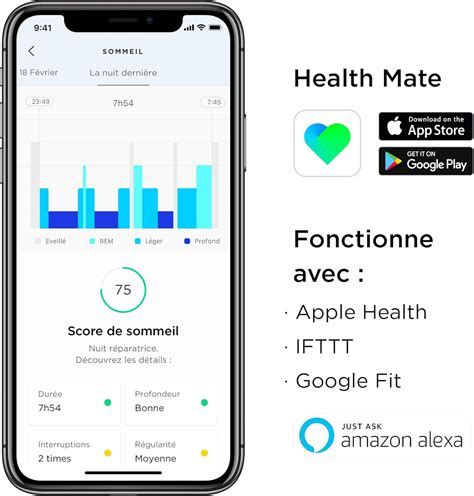
- Withings: Setup involves sliding the slim pad under the mattress and connecting it to Wi‑Fi and the Withings Health Mate app. No nightly charging is needed because the pad draws power from a wall adapter.
- Garmin: Setup consists of pairing the wearable with a phone and ensuring the device is charged and worn at night. Firmware updates and profile syncing occur in Garmin Connect.
From a friction standpoint, Withings is “set and forget” for night monitoring, while Garmin implies a small daily habit (charging, wearing) that many fitness users already accept.
Data access and ecosystems
Withings focuses on health-centric reporting and integrates with common health ecosystems. Garmin emphasizes fitness and recovery, with Garmin Connect offering workout history, stress metrics, and a strong community and training ecosystem. Buyers who value cross-device fitness data and coaching will likely favor Garmin’s ecosystem, while those focused chiefly on sleep and respiratory markers may prefer Withings’ dedicated app experience.
Pros & Cons
Withings Sleep Analyzer
- Pros
- Non-wearable and comfortable for sleep—no nightly charging or wearing required
- Under-mattress sensor detects respiratory patterns and can flag breathing disturbances
- Clear, sleep-focused app with nightly scores and long-term trends
- Works without user intervention once installed
- Good option for those who prefer clinical-style sleep screening at home
- Cons
- Single-purpose device—does not provide daytime activity or training data
- Accuracy can vary with mattress type and lying position; may not distinguish multiple sleepers on one mattress
- May prompt medical follow-up; not a diagnostic substitute for laboratory testing
Garmin Index Sleep Monitor (Garmin wearables + Connect)
- Pros
- Continuous 24/7 tracking that integrates sleep with activity, stress, and recovery metrics
- Suitable for athletes and fitness-focused users who want sleep to inform training
- Multi-device options at different price/performance points—users can upgrade devices for more features
- Strong ecosystem with coaching, structured workouts, and cloud history
- Cons
- Requires wearing a device at night and periodic charging
- Wrist-based breathing disturbance detection is less sensitive than chest-level or under-mattress sensors
- Some advanced metrics require newer, higher-end models
Side-by-side comparison table
| Feature | Withings Sleep Analyzer | Garmin Index Sleep Monitor (Wearable + Connect) |
|---|---|---|
| Form factor | Under-mattress pad (non-wearable) | Wrist-worn devices (wearables) |
| Primary strength | Breathing disturbance detection; passive sleep monitoring | Integration with fitness and recovery data; continuous tracking |
| Sleep staging | Light, deep, REM via motion/respiration | Light, deep, REM via motion + heart rate |
| Breathing/apnea screening | Yes—detects breathing disturbances and provides screening indicators | Limited—depends on SpO2 and wearable capabilities; not primary focus |
| Battery/Power | AC-powered (no charging required) | Rechargeable battery; regular charging required |
| Multi-user support | Single-user per pad (additional pads required for separate users) | Each user can have their own wearable and account |
| Data ecosystem | Withings Health Mate, health integrations | Garmin Connect, training and community features |
| Recommended for | Non-wearers; users concerned about breathing-related sleep issues | Athletes and active people who want sleep to inform training and recovery |
Buying guide: what to consider before choosing
When deciding between a Withings Sleep Analyzer and Garmin’s wearable-driven sleep monitoring, consider the following factors in light of real-world priorities:
1. Purpose: health screening vs fitness integration
Is the priority to screen for breathing disturbances and get a dedicated sleep assessment? An under-mattress sensor like the Withings Sleep Analyzer is built for that. If the goal is to link sleep quality with workouts, stress, and daily activity, a Garmin wearable fits better.
Shop the latest Electronics picks on Amazon.
Browse Now →2. Comfort and daily habits
For people who never remember or never want to wear a device to bed, a non-wearable sensor removes friction. Conversely, those already comfortable wearing a watch or fitness band will gain extra data outside of sleep with a wearable.
3. Multi-person households
Consider how many individuals need tracking. Single pads are not optimized for simultaneous multi-user data separation; wearables allow each person to track independently.
4. Data depth and clinical needs
Consumer devices provide useful insight but are not definitive diagnostics. If there is high suspicion of sleep apnea or another sleep disorder, the right move is a consultation with a sleep medicine specialist and formal testing (polysomnography or home sleep apnea testing) rather than reliance on consumer metrics alone.
5. Ecosystem and app preferences
Some buyers choose based on app experience and integrations (third-party health platforms, coaches, or medical records). Evaluate the app interfaces, long-term trend visualization, and interoperability with other health services.
6. Budget and upgrade paths
Consider total cost of ownership. A Withings pad is a single purchase with limited additional costs. A Garmin approach might require investing in a wearable and possibly upgrading to models with SpO2 or advanced sensors for richer nocturnal metrics.
7. Privacy and data handling
Sleep data can be sensitive. Check each company’s privacy policies and options for data export or deletion. Users concerned with how health data is used should review the available controls in the respective apps.
Practical tips for better sleep-tracking outcomes
- Ensure proper placement: For under-mattress pads, follow manufacturer placement guidance (typically under the chest area) and confirm compatibility with mattress thickness.
- Minimize confounding factors: If one partner moves a lot, results can blur; consider sleep schedules and mattress sharing when choosing a sensor.
- Combine signals: If possible, use both context (activity, stress) and sleep metrics together—this provides richer interpretation of what is affecting sleep.
- Use trends, not single nights: Night-to-night variability is normal; decisions should be based on weekly or monthly patterns.
Conclusion
Choosing between the Withings Sleep Analyzer and Garmin’s wearable-driven sleep monitoring depends largely on lifestyle and goals. The Withings Sleep Analyzer excels as a low-friction, non-wearable option with a focus on respiratory events and sleep quality, making it appealing to those seeking passive monitoring or initial screening for breathing disturbances. Garmin’s approach, achieved through its family of wearables and Garmin Connect, appeals to fitness-oriented users who want continuous, 24/7 biometric context that links sleep to activity, training load, and recovery.
Neither option replaces clinical evaluation when medical concerns exist, but each offers valuable insights for everyday sleep awareness. Buyers should weigh comfort, desired metrics, ecosystem preferences, and whether respiratory screening or integrated fitness data matters more in daily life. In short, the best choice aligns with how monitoring will be used: health-focused, passive detection (Withings), or integrated, active lifestyle tracking (Garmin).