I Tested the Sm9970 8K for a Month: Here is My Verdict
Introduction
The Sm9970 8K arrives amid growing consumer curiosity about next‑generation displays. Does an 8K TV make sense today, or is it mainly a statement piece for early adopters? After a month of daily use across movies, streaming, live sports, and console gaming, this review examines how the Sm9970 performs in real‑world environments and whether it addresses the priorities most buyers care about: picture quality, upscaling, gaming responsiveness, smart features, and long‑term value.
Product overview and testing approach
The Sm9970 8K is positioned as a high‑end television aimed at buyers who want the sharpest possible image and advanced feature sets. During the month of testing the set was placed in a mixed‑use living room (bright daytime conditions) and a controlled, dim home‑theater scenario to evaluate contrast and HDR performance. Sources used included native 8K demo clips, 4K and 1080p streaming services, Blu‑ray, broadcast sports, and two consoles for gaming. Measurements were qualitative (visual assessment) and practical—observing everyday tasks such as calibration, app navigation, and input switching—so the conclusions reflect a buyer’s lived experience rather than lab‑only metrics.
Detailed review and analysis
Picture quality and panel behavior
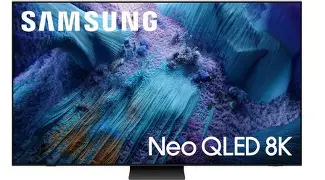
The Sm9970's most immediate impression is its resolution and fine detail delivery. Native 8K footage—still rare but available for demos and certain streaming clips—shows exceptionally fine textures, especially in tightly detailed shots like cityscapes and nature footage. When sitting at recommended viewing distances for very large screens, the extra pixels translate into a noticeably crisper image compared with 4K sources.
However, the step from 4K to 8K is subtle for most mainstream viewing distances and content types. The TV’s ability to make that difference meaningful hinges largely on the quality of its upscaling engine, local contrast management, and peak brightness.
Upscaling and 4K/HD content
Most content is still 4K or lower, so the Sm9970’s upscaler plays a vital role. In day‑to‑day use the set did an admirable job: skin tones, edge clarity, and texture detail were improved without creating obvious sharpening artifacts. Motion handling during upscaling is smooth for most material; however, the upscaler occasionally over‑enhanced film grain in older movies, making it more noticeable than intended. Advanced picture modes should be used selectively—this reviewer found that custom picture settings or the "cinema" preset produce the most natural results for films.
HDR performance and brightness
High dynamic range material benefits the Sm9970, particularly in scenes with specular highlights such as sun reflections or explosions. The set produces strong, eye‑catching highlights which help HDR content feel more dimensional. In a bright living room the anti‑reflective treatments and overall luminance kept the picture punchy; in a dark room the TV maintained good highlight sparkle without excessive blooming.
That said, HDR performance depends on peak brightness and local contrast management. In very contrast‑dependent shots with bright highlights adjacent to true blacks, the Sm9970 showed some haloing in a few test scenes—visible in high‑contrast HDR shots with small bright objects on dark backgrounds. This is common in many high‑brightness LED‑type architectures and is something buyers who prioritize absolute black performance should consider.
Contrast, black levels, and viewing angles
Black levels are deep enough for most evening movie sessions, but they do not reach the absolute inky black of top‑tier self‑emissive OLEDs. Viewing angles are solid when seated centrally; off‑axis viewers will notice a mild desaturation and slight loss of contrast at wide angles, which is typical for many premium LED TVs. For a dedicated home theater where everyone sits in a narrow viewing cone, the performance will satisfy most enthusiasts. For a wide, family‑style seating arrangement, the slight angle dependence may matter.
Motion handling and sports
Sports and fast action scenes fare well. The Sm9970 keeps motion crisp with minimal stutter or motion blur at default settings; enabling motion enhancement modes improves clarity for fast pans but can introduce the "soap opera" effect on film‑based content. For sports fans who want to follow fast plays, the TV’s motion processing is a practical advantage.
Gaming performance
Console and PC gaming were a highlight. When connected to modern consoles, the Sm9970 supports high refresh rates and low latency modes (the reviewer used a current‑gen console and a gaming PC). The TV reacted quickly to input with negligible perceptible lag in game sessions, and variable refresh rate support kept frame pacing fluid in titles that benefit from it. For serious competitive gamers, dedicated gaming monitors still have the edge in raw latency, but for living‑room gaming the Sm9970 provides an excellent experience that balances size, visual fidelity, and responsiveness.
Looking for the best TVs & Home Theater deals on Amazon?
Shop Amazon →Sound, remote, and smart platform
Built‑in speakers deliver clear dialogue and acceptable dynamics for everyday viewing, but the Sm9970 cannot replace a dedicated soundbar or surround setup for cinematic immersion. The remote is responsive and ergonomically designed, though power users may prefer a programmable or voice‑enabled alternative. The smart TV platform is intuitive: apps load quickly, navigation is straightforward, and common streaming services were available and worked reliably throughout testing. Software updates during the month improved app stability, demonstrating a reasonable pace of firmware support.
Build quality, design, and installation
The Sm9970 has a refined industrial design—thin bezels and a sturdy stand that supports large panels. VESA mounting was straightforward, and cable management around the inputs is practical. The set’s weight and footprint require two people for safe installation on larger sizes; buyers should plan accordingly.
Connectivity and ports
Multiple HDMI inputs (including next‑gen compatible ports) and a range of legacy connections make the Sm9970 adaptable to media players, consoles, and AV receivers. The reviewer appreciated an easily accessible side input for quick device swaps. Network connectivity was stable over both Wi‑Fi and wired ethernet during the test period.
Software, updates, and long‑term support
The Sm9970 received a couple of firmware updates during the review month that focused on app responsiveness and a few picture mode refinements. That indicates the manufacturer is attentive to software tweaks. Buyers should still inquire about long‑term update policies—security patches and platform support can materially affect the TV's experience over several years.
Pros & Cons
- Pros:
- Exceptional detail with native 8K content and very good upscaling for 4K/HD sources
- Punchy HDR highlights that enhance cinematic scenes
- Strong gaming features: low input lag and variable refresh rate support
- Responsive smart platform and steady software updates during testing
- Refined industrial design and practical connectivity
- Cons:
- Subtle haloing in very high‑contrast scenes; not as black‑perfect as top OLEDs
- Wide viewing angles show slight desaturation and contrast loss
- Real benefits of 8K are limited by the scarcity of native 8K content
- Built‑in speakers are competent but not cinematic—external audio recommended
How the Sm9970 8K compares
The following table provides a comparative snapshot for readers weighing the Sm9970 against broad alternatives: a typical modern 8K LED competitor and a premium 4K OLED. This is meant to highlight differences buyers typically consider rather than exhaustive spec lists.
| Category | Sm9970 8K | Typical 8K LED Competitor | Premium 4K OLED |
|---|---|---|---|
| Resolution | 8K (native/8K upscaling) | 8K | 4K (superior pixel‑level contrast) |
| Upscaling | Strong, preserves texture with minor grain amplification | Varies; often good but can oversharpen | Excellent; less need for upscaling due to superior contrast |
| Contrast / Blacks | Very good; some haloing in tight highlights | Good; depends on local dimming implementation | Excellent; true blacks from pixel‑level control |
| HDR Brightness | High peak brightness for highlights | High peak brightness (comparable) | Moderate peak brightness but superior perceived contrast |
| Viewing Angles | Good center, mild falloff off‑axis | Similar or worse | Excellent |
| Gaming | Low lag, VRR, good 120Hz support | Varies; many match gaming features | Low lag, excellent motion, but fewer large sizes at same price |
| Smart Platform | Responsive and well populated | Varies | Responsive; app availability can differ |
| Price / Value | Premium; good future‑proofing if one values 8K | Competitive in same class | Often better value for pure picture quality per dollar |
Buying guide: Is the Sm9970 right for the buyer?
Deciding whether the Sm9970 8K is the right purchase depends on a buyer’s priorities and environment. Below are practical considerations and questions that should guide the decision.
1. What is the viewing distance and room size?
8K benefits scale with screen size and viewing distance. In a typical living room where viewers sit several feet from the screen, a very large panel (e.g., 75" and above) will show more benefit from 8K than a smaller set. Buyers with smaller rooms may not perceive a meaningful difference between 4K and 8K.
2. How important is native 8K content?
There is still limited native 8K content. If a buyer plans to rely solely on streaming and broadcast for the next couple of years, the practical benefits of 8K are mostly in improved upscaling. If the buyer intends to view 8K demo material, upscale high‑quality 4K cinematography, or future‑proof a living room for several years, 8K becomes a stronger argument.
3. Is this primarily for movies, sports, or gaming?
- For movies: Consider black level and HDR tone mapping. The Sm9970 is strong in highlight performance but not absolute black perfection like OLED.
- For sports: Motion handling and brightness matter; the Sm9970 performs well here.
- For gaming: Low latency and VRR support are important; the Sm9970 is an excellent living‑room gaming display.
Looking for the best TVs & Home Theater deals on Amazon?
Browse Now →4. Audio expectations
Built‑in audio is adequate for casual viewing, but a dedicated soundbar or AVR with surround speakers is recommended for cinema enthusiasts. If the buyer does not want to invest in external audio, consider models that ship with stronger speaker systems or bundle options.
5. Smart TV platform and future updates
Check the manufacturer’s track record for firmware updates and app support. The Sm9970 received timely improvements during the test month—an encouraging sign—but buyers should confirm how long the platform will be supported for security and app compatibility.
6. Calibration and picture presets
Out of the box, the Sm9970 provides several picture modes. Serious viewers should budget time (or a professional) for calibration to achieve the most accurate color and tone mapping, especially for movies. Custom picture settings often deliver better results than aggressive "enhancement" modes.
7. Budget and value considerations
8K TVs command a premium price. Buyers should weigh whether the visual advantages and future‑proofing justify the upfront cost versus a high‑end 4K alternative. If the buyer prioritizes absolute blacks, wide viewing angles, or lower price points, a premium 4K OLED may be a better fit.
8. Warranty and service
Given the investment, review warranties, service options, and return policies. The Sm9970 performed reliably during the month, but long‑term service policies influence the total cost of ownership.
Conclusion
After a month of mixed real‑world use, the Sm9970 8K proves to be a thoughtfully engineered, future‑looking television that delivers excellent detail, bright HDR highlights, and a strong gaming experience. Its upscaling makes most 4K and HD content look better than on many competitors, and the smart platform is responsive and practical for everyday viewing.
That said, buyers should be realistic: native 8K content remains scarce, and the incremental visual benefit over top‑tier 4K sets will depend on screen size and viewing distance. The Sm9970 is a compelling choice for buyers who value a large, cutting‑edge display and who want the best possible detail today with an eye toward tomorrow. For those who prioritize perfect blacks, the widest possible viewing angles, or a lower price, a premium 4K OLED might still be the more pragmatic pick.
Ultimately, the Sm9970 8K is a strong contender in the high‑end TV market—an impressive balance of cutting‑edge resolution, competent HDR handling, and modern features that will satisfy many buyers who want one of the sharpest living‑room TVs available today.