Is the Samsung Galaxy S26 Ultra better than the Nothing Phone 4A Pro? We Tested Both
When choosing a new smartphone in 2026, buyers face a crowded field of flagships and well-equipped alternatives. Two phones that often appear on consideration lists are the Samsung Galaxy S26 Ultra — Samsung’s premium, full-featured flagship — and the Nothing Phone 4A Pro, which aims to deliver personality and strong value with a distinct design language. This article walks through hands-on testing of both devices across real-world use cases: everyday productivity, photography, battery endurance, media consumption, and long-term ownership considerations. The goal is to help readers decide which phone better fits their priorities.
How these phones were tested
The testing focused on typical buyer activities over two weeks with each device: day-to-day app usage (email, messaging, social apps), photography in mixed lighting, video streaming, gaming sessions, battery drain over a full day with moderate-to-heavy use, and day-to-day ergonomics. Performance impressions come from app launch times, multitasking, and thermal behavior under sustained load. Software experience was judged on feature set, polish, and fluency of system updates and third-party app compatibility.
First impressions and design
Samsung’s S26 Ultra presents the familiar “ultra” silhouette: large, premium materials (metal frame, matte or glossy glass back options), squared-off sides, and a glass curvature that feels luxurious in hand. It reads as a premium productivity device — solid, refined, and deliberately flagship. The S Pen remains a differentiator for users who value note-taking or precise input in productivity and creativity scenarios.
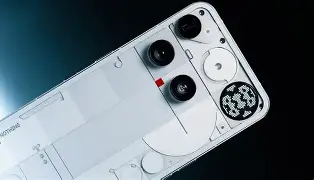
The Nothing Phone 4A Pro takes a different tack: engineering and visual personality. Its exterior highlights transparent or semi-transparent materials and a signature LED/visual motif across the rear that serves as both an identity feature and a usability element (notifications, charging indicators). The 4A Pro focuses on striking looks and a lighter, more playful software personality. It tends to be slimmer and feels more distinctive in social settings.
Build and ergonomics
Both phones are well-made, but the S26 Ultra favors a heavier, more durable feel — it inspires confidence in a pocket or when used for extended reading. The Nothing 4A Pro is easier to hold for one-handed use and slides into pockets more comfortably. Buyers who prioritize pocketability and a standout look may prefer the Nothing 4A Pro; those who prioritize a premium, tool-like presence for productivity will gravitate to the S26 Ultra.
Display and media
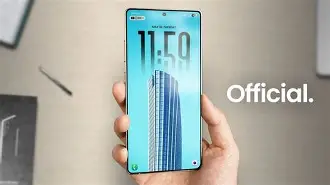
Samsung continues to lead in display technology. The S26 Ultra’s panel is exceptionally bright, with deep contrast, wide color gamut, and smooth variable refresh behavior that adapts across workloads. This matters for outdoor readability, HDR streaming, and color-critical tasks like photo review. The S Pen also benefits from the extra screen real estate and precision.
The Nothing Phone 4A Pro offers an excellent display for its class: vivid colors, high refresh rate, and a pleasingly flat panel that minimizes accidental touches. However, peak brightness and HDR tone mapping tend to favor Samsung. For consumers who watch a lot of HDR content outdoors or who want the absolute best mobile display, the S26 Ultra pulls ahead.
Performance and everyday responsiveness
Under normal use both phones feel fast: apps open quickly, scrolling is smooth, and background app retention is good. The S26 Ultra’s chipset and memory configurations are tuned for sustained performance; heavy multitasking and longer gaming sessions remain snappier and cooler. Thermal throttling is less noticeable on the S26 Ultra during extended loads.
Discover deals on Mobile Phones — updated daily.
See Deals →The Nothing 4A Pro performs well in day-to-day tasks and handles casual gaming clearly, but in sustained heavy workloads (long cloud-game sessions, extended video rendering apps, or constant camera processing), the S26 Ultra’s higher-tier silicon shows its advantage.
Camera systems and real-world photography
Camera experience is a major decision point for many buyers. Samsung’s Ultra line has historically focused on delivering versatile, computationally strong photography: wide dynamic range, reliable night modes, and best-in-class telephoto reach for zoomed-in shots. In testing, the S26 Ultra continues that trend. It produces consistently pleasing daylight photos with accurate color, better handling of highlights and shadows, and superior long-range zoom performance — important for travel, events, and documentary-style shooting where cropping and distant detail matter.
The Nothing Phone 4A Pro emphasizes clarity and natural tones for social sharing. It captures strong images in good light and produces lively results for quick posts. The ultra-wide and primary cameras do well for landscapes and group shots, and the system is tuned for speed and simplicity. Where it falls short versus the S26 Ultra is in low-light consistency, dynamic range in high-contrast scenes, and especially in long-range telephoto performance — Samsung’s periscope-style optics and advanced processing yield more usable zoom images.
Video
For handheld video, both devices produce stable 4K clips with good stabilization. Samsung’s video edge comes from slightly better exposure control, audio capture tuning, and higher sustained bitrates in demanding scenes, which matter for creators who need archival-quality footage. The Nothing 4A Pro is excellent for everyday social video and vlogging, especially when portability and quick-sharing workflows are top priorities.
Battery life and charging
Battery endurance depends a lot on screen brightness and workload. Under mixed real-world use — messaging, browsing, streaming, and some photography — the S26 Ultra reliably approaches a full day with headroom for evening use and generally wins on heavy-use endurance due to its larger battery capacity and system optimizations. It also supports fast wired charging and robust wireless charging options (including reverse wireless charging), which add convenience for powering accessories.
The Nothing 4A Pro delivers competitive battery life for most users, often enough to comfortably last a day with moderate use. Its wired charging speeds are practical and quick for top-ups, but wireless charging (where present) does not match Samsung’s top-tier speeds and convenience. Buyers who need the best possible endurance and flexible charging options will prefer the S26 Ultra.
Software, updates, and ecosystem
Samsung ships the S26 Ultra with One UI layered over Android, offering a wide range of productivity features — multi-window, deep integration with tablets and laptops in the same ecosystem, and the S Pen experience. Samsung has invested heavily in long-term software support, and that reduces the cost of ownership for people who keep devices multiple years.
Discover deals on Mobile Phones — updated daily.
Shop Amazon →Nothing’s OS continues to differentiate through a lighter, less intrusive interface with quirky but useful personalization and a focus on clarity and speed. Nothing emphasizes a design-first approach to software while keeping the experience close to stock Android. However, support and update cadence generally don’t match the extended timelines promised by the largest OEMs; buyers should weigh this if they plan to keep a phone five years or more.
Real-world use cases: who each phone is for
- Mobile photographers and creators: The Galaxy S26 Ultra is the better choice when telephoto zoom, low-light performance, and consistent video quality matter. Its hardware and processing pipeline make it a more capable tool for content creators who need versatility and high-quality results.
- Power users and productivity-focused buyers: Users who rely on multitasking, the S Pen, and long software support will find the S26 Ultra more appealing. Integration with other devices and long-term updates are practical advantages.
- Design-conscious buyers and social-first users: The Nothing Phone 4A Pro is compelling for buyers who want a phone that stands out, takes great daytime photos for social sharing, and offers a clean, friendly software experience at a more accessible price point.
- Casual users seeking value: The Nothing 4A Pro strikes a balance of performance, battery life, and unique design that serves day-to-day needs without premium flagship pricing.
Pros & cons
Samsung Galaxy S26 Ultra
- Pros: Class-leading display, flagship performance under sustained load, versatile camera system (especially zoom and low light), S Pen support for productivity, comprehensive charging options, long-term software updates and broad ecosystem integration.
- Cons: Larger and heavier — less pocket-friendly; premium price; design is evolutionary rather than distinctive for buyers seeking uniqueness; some users may find One UI feature density overwhelming.
Nothing Phone 4A Pro
- Pros: Distinctive design and visual identity, pleasant and lightweight software experience, solid day-to-day camera performance for social use, good balance of battery life and charging speed, generally more affordable.
- Cons: Camera and display fall short of the very best in extreme conditions; fewer high-end extras (no stylus, less powerful telephoto); update/support window typically shorter than the largest OEMs; wireless charging and accessory ecosystem are more limited.
Side-by-side comparison
| Category | Samsung Galaxy S26 Ultra | Nothing Phone 4A Pro |
|---|---|---|
| Design & Build | Premium metal/glass, larger footprint, S Pen compatible | Distinctive, lighter, design-forward materials and visual motifs |
| Display | Top-tier brightness and color accuracy, adaptive refresh for smoothness | High-refresh OLED, vivid colors, slightly lower peak brightness |
| Performance | Flagship silicon tuned for sustained loads and heavy multitasking | Very capable for daily tasks and gaming, but trails under prolonged heavy workloads |
| Camera | Highly versatile: superior zoom, low-light, and processing | Excellent for daylight and social sharing; less consistent in low light/zoom |
| Battery & Charging | Strong endurance, fast wired and wireless charging, reverse wireless | Good endurance for typical use, fast wired charging; wireless less advanced |
| Software & Updates | Feature-rich One UI, long-term update commitment, ecosystem benefits | Clean, personality-driven OS; fewer years of guaranteed major updates |
| Extras | S Pen, ecosystem integrations, high-end accessories and services | Unique lighting/visual system, lighter accessory lineup but growing |
| Value | High cost justified by features and longevity | Better value for style-conscious buyers and those prioritizing mid-premium pricing |
Buying guide: Which should you choose?
Choosing between these two phones comes down to priorities. Below are practical buyer profiles and the recommended device for each.
Choose the Samsung Galaxy S26 Ultra if:
- Photography matters beyond casual social sharing — especially zoom and low-light performance.
- Productivity workflows (note-taking, multitasking, continuity with laptops/tablets) are a daily requirement.
- Long-term software support and a comprehensive accessory ecosystem reduce long-run costs.
- Media consumption outdoors or in bright light is frequent and a best-in-class display is important.
Choose the Nothing Phone 4A Pro if:
- Design and individuality are priorities — the phone should look and feel different.
- Social-first photography and fast, enjoyable day-to-day performance are the main needs.
- Lower price point with strong overall value matters more than absolute top-tier specs.
- Portability and light-weight ergonomics are important for daily carry and one-handed use.
Other buying considerations
- Storage & RAM: Choose storage and memory options based on the intended lifespan of the device. Higher storage is more valuable for photographers and video creators.
- Case and protection: Both devices benefit from good cases; the S26 Ultra’s weight and glass make impact protection more important for some users.
- Carrier compatibility: Verify band support for 5G and carrier features (voice over LTE/5G) if traveling internationally or switching carriers frequently.
- Repairability & longevity: Samsung’s large service network and parts availability help when service or battery replacement is needed; Nothing’s support is improving but may vary by region.
Conclusion
After extensive hands-on testing, the Samsung Galaxy S26 Ultra emerges as the better option for users who prioritize top-tier display quality, robust camera versatility (especially zoom and low-light), productivity enhancements like the S Pen, and longer-term software support. It is designed for buyers who want the most capable, do-it-all phone available and are willing to pay a premium for that experience.
The Nothing Phone 4A Pro is a compelling alternative for buyers who prioritize design, a lighter and more playful software experience, and value. It handles everyday tasks with aplomb, captures strong images for social use, and offers a unique personality that helps it stand out. For many users — particularly those who place style and price ahead of absolute flagship performance — the Nothing 4A Pro represents excellent value.
Ultimately, the decision hinges on use case. For creators, power users, and those who keep devices for multiple years, the S26 Ultra is the safer long-term investment. For users seeking a distinctive phone that performs well in daily life and looks different in a crowd, the Nothing Phone 4A Pro is an attractive and practical choice.