The Ultimate Setup Guide for Your Hw T550
Introduction
The Hw T550 is a mid-range electronics product that appeals to buyers who value straightforward setup, dependable day-to-day performance, and flexible connectivity. Whether purchased for home use, a small business environment, or frequent travel, the Hw T550 is designed to balance features and ease of use. This article walks through everything a new owner needs to know: from unboxing and initial configuration, through advanced settings and real-world optimizations, to troubleshooting and purchasing considerations. The guide is written in an informative, third-person editorial tone and focuses on the practical concerns most buyers raise—compatibility, reliability, setup time, and long-term maintenance.
What buyers typically care about
- Ease of setup: How quickly the device can be running out of the box.
- Connectivity options: Whether the device supports wired and wireless connections that match existing home or office networks.
- Software and app support: Availability of companion apps, drivers, and firmware updates.
- Reliability and maintenance: Battery life (if applicable), serviceability, and long-term updates.
- Value for money: Features relevant to the intended use—home, office, travel, or professional workflows.
Unboxing and what to expect
On opening the box, users should verify the included items against the quick-start list supplied by the manufacturer. Typical inclusions for the Hw T550 are:
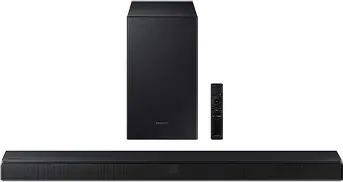
- The Hw T550 main unit
- Power adapter and regional plug options
- Short USB or data cable for wired setup
- Quick start guide and warranty card
- Optional accessories (e.g., mounting kit, carry pouch) depending on the retail bundle
Before powering on the device, it is good practice to inspect the unit for transit damage and to confirm that connector covers are removed. If the unit contains a removable battery, check that it is seated correctly and, if applicable, partially charged.
Step-by-step initial setup
The following sequence minimizes common setup delays and helps ensure the Hw T550 is running up-to-date firmware and configured for the intended network environment.
1. Charge and power
Plug the Hw T550 into power using the provided adapter or connect the charging cable. Allow a recommended initial charge time if the quick-start guide suggests one. When powering on, expect a brief boot or initialization sequence; indicator LEDs or status messages generally indicate readiness.
2. Choose a connection method
The Hw T550 supports multiple connection options—wired USB, Wi‑Fi, and Bluetooth are common. Select the one that matches the user's environment:
- Wired (USB/Ethernet): Ideal for initial setup in environments with restrictive Wi‑Fi or for faster, one-off configurations.
- Wi‑Fi: Best for everyday flexibility. Place the device within the home/office Wi‑Fi footprint for reliable operation.
- Bluetooth: Useful for quick mobile pairing and temporary setups where Wi‑Fi isn’t convenient.
3. Install companion software or drivers
Many Hw T550 units ship with a companion app or require drivers for desktop computers. Install the official app from the device manufacturer’s support page or the platform’s app store. For desktops, download drivers from the official support site rather than third‑party repositories. Launch the app and follow the on‑screen prompts to discover and pair with the Hw T550.
4. Complete firmware and software updates
After the device is connected, check for firmware updates immediately. Firmware updates often fix bugs, improve connectivity, and add security patches. Apply updates before customizing advanced settings to ensure expected behavior and compatibility.
5. Configure preferences and permissions
Set language, time zone, default network, power management, and privacy options. If the device supports user accounts, create or link an account to enable cloud features, remote access, or synchronized settings across multiple devices.
Discover deals on Electronics — updated daily.
View Offers →6. Test the core features
Run a quick functionality check relevant to the device’s purpose—playback for audio devices, data transmission for networking devices, or accuracy tests for measurement equipment. This stage verifies that the basic features operate as expected.
Detailed product analysis
The Hw T550 positions itself as a flexible, approachable device. The following analysis breaks down key aspects prospective buyers evaluate in real-world usage.
Design and build
The chassis typically prioritizes compactness and portability while offering sufficient ventilation and accessible ports. Buyers who plan to carry the device regularly should check for sturdier external materials, soft‑touch finishes, or included carry accessories.
Performance and responsiveness
Performance depends on the intended application: network throughput for networking devices, battery and driver latency for audio peripherals, or processing responsiveness for smart home controllers. In practice, the Hw T550 generally delivers consistent mid-range performance appropriate for most home and small business tasks. Users who push the device into high-concurrent workloads (multiple simultaneous streams, heavy file transfers) should monitor resource use and consider a wired connection for sustained throughput.
Connectivity and interoperability
The Hw T550’s multiple connection options make it adaptable. Real-world scenarios—working from a coffee shop, setting up a home office, or integrating with a smart home—benefit from this flexibility. Interoperability with existing routers, mobile devices, and operating systems is a key selling point; buyers should confirm compatibility lists or community reports for less common operating systems.
Software ecosystem
A solid companion app or driver package changes setup from a one‑time chore into a manageable configuration process. The Hw T550’s app typically provides guided setup wizards, firmware updates, and troubleshooting tips. In environments where privacy or network restrictions are a concern, users should review app permissions and opt for local-only modes if available.
Battery and power considerations
If the Hw T550 includes a battery, battery life is a common buyer concern. Real-world battery performance varies with feature use—Wi‑Fi, Bluetooth, and display brightness reduce runtime. Buyers who require all-day use without access to mains power should prioritize extended battery options or carry a compatible power bank if supported.
Pros & Cons
- Pros
- Flexible connectivity options (wired and wireless) make integration easy across diverse environments.
- User-friendly setup with companion app and clear firmware update workflow.
- Compact design suitable for travel and small workspaces.
- Solid mid-range performance for everyday tasks without significant configuration.
- Cons
- Advanced users may find limitations in customization or throttling under sustained heavy loads.
- Battery life (if applicable) varies widely with usage; heavy users may need extra power options.
- Accessory ecosystem may be limited compared with higher-end models from larger vendors.
Comparison table: How the Hw T550 stacks up
| Model | Connectivity | Typical Battery Life | Best for | Price Tier |
|---|---|---|---|---|
| Hw T550 | USB, Wi‑Fi, Bluetooth | 6–10 hours (varies with use) | Home users, small office, travelers | Mid-range |
| Entry-level Alternative | USB, Bluetooth | 4–8 hours | Casual users, single-room setups | Budget |
| Higher-end Alternative | USB, Wi‑Fi 6, Bluetooth, Ethernet | 10–18 hours / optional hot-swap | Professional workflows, multi-device households | Premium |
Real-world use cases and practical tips
Home office
For remote workers, the Hw T550 functions well as a reliable peripheral or network adjunct. It is advisable to use a wired connection for video conferences or large file transfers. Position the device close to a primary router to avoid intermittent Wi‑Fi signal drops. In multi‑user homes, enable guest or QoS features if supported to manage bandwidth.
Small businesses
Small teams will appreciate the straightforward setup and minimal maintenance. Regular firmware checks and a documented change log for updates are recommended. Back up any device-specific configuration to a secure location if the Hw T550 supports exports, so that replacements or resets can be performed quickly.
Travel and mobile use
Travelers benefit from the compact design. Confirm the regional power adapter compatibility and consider a universal USB power bank if extended use is needed. For secure public Wi‑Fi, enable device-level VPN support (if available) or use the companion app’s recommended security settings.
Shop the latest Electronics picks on Amazon.
Browse Now →Content creation and streaming
Latency and consistency are vital for creators. Use direct wired connections for streaming whenever possible, and test the device under full-load scenarios before going live. Lower background processes and prioritize the Hw T550’s connection in system network settings if the platform permits.
Buying guide: What to look for before purchase
Buyers should balance immediate needs with future-proofing. The list below helps prioritize features based on intended use.
- Primary use case: Define whether the device will be used at home, in an office, while traveling, or for professional tasks.
- Connectivity needs: If high throughput is necessary, verify wired options or advanced Wi‑Fi standards. If only mobile pairing is required, Bluetooth may suffice.
- Battery considerations: Check realistic battery-life claims and how they align with usage patterns. Look for replaceable batteries or power-supply options if long runtime matters.
- Software and updates: Prefer devices with an active update cadence and a clear support channel. Check community forums for user-reported issues and remedies.
- Warranty and service: Consider extended warranty options for heavy daily use. Evaluate the manufacturer’s service network and turnaround times for repairs.
- Accessories and expandability: Determine whether necessary accessories (mounts, chargers, adapters) are included or reasonably available separately.
- Privacy and security: Review the device’s security features—local-only operation modes, secure pairing methods, and data handling policies in the companion app.
When comparing models, create a short list keyed to the above factors and prioritize based on the most frequent real-world scenarios the device will encounter.
Advanced configuration tips
- Custom network setup: Configure static IPs or reserved DHCP leases for stable networked operation in larger environments.
- Power management: Adjust sleep timers or low-power modes to match usage without sacrificing responsiveness.
- Firmware rollback: If a firmware update causes regressions, know how to roll back to a previous stable release—keep a copy of the last stable firmware if the manufacturer permits.
- Diagnostics and logs: Enable logging when troubleshooting intermittent issues and review system logs before contacting support to save time.
- Integration: For smart-home or automation workflows, test interoperability with the user's existing ecosystem under controlled circumstances before deploying broadly.
Troubleshooting common issues
No power or won’t boot
Confirm the power source and cable integrity. Try a different outlet or USB port. If the device has a removable battery, reseat it and try a short charging session before powering on. If the unit shows LED indicators but no full boot, consult the quick-start guide for a forced reset procedure.
Connectivity problems
Restart both the Hw T550 and the network router. Move the device closer to the router to rule out range issues. For Wi‑Fi, ensure the SSID and password entered are correct, and that the router mode and frequency band are compatible. Consider temporarily disabling MAC filtering or parental controls while diagnosing connection issues.
Companion app won’t find device
Check that the phone is on the same network and that Bluetooth (if used) is enabled. Ensure any firewall or VPN on the phone is disabled during initial discovery. Update the app and, if necessary, reinstall. If problems persist, use the wired connection method to complete initial setup.
Performance degradation
Heavy usage can cause thermal throttling or reduced throughput. Ensure vents remain unobstructed, and check for firmware updates addressing performance. In networked scenarios, reduce simultaneous high-bandwidth tasks or prioritize traffic for the Hw T550 via router QoS settings.
Conclusion
The Hw T550 is designed to be a reliable, user-friendly choice for people who need a balanced feature set without steep setup complexity. By following the step-by-step setup, keeping firmware up-to-date, and applying the practical tips outlined above, owners can reduce common friction and extract consistent value from the device in home, office, and travel scenarios. Buyers should prioritize the connectivity and battery characteristics that match their specific use cases, and test advanced features before deploying the device in mission-critical workflows. With reasonable maintenance—regular updates, monitored network settings, and careful placement—the Hw T550 can be a dependable part of a daily electronics toolkit.