The Ultimate Showdown: Poco X8 Pro Max vs Honor Magic 8 Pro for 2026
Introduction
In 2026, smartphone buyers face more nuanced choices than ever. Two headline-grabbers in the crowded market are the Poco X8 Pro Max and the Honor Magic 8 Pro. Though these phones aim at different buyer personas—one emphasizing aggressive value and battery endurance, the other emphasizing premium design and imaging—both present compelling arguments. This article examines each model's strengths and weaknesses, compares them across the attributes buyers typically care about, and offers practical guidance to help readers choose the right phone for real-world use.
Product overview and market positioning
Both the Poco X8 Pro Max and Honor Magic 8 Pro occupy high-interest segments but from contrasting angles. The Poco X8 Pro Max is positioned as a value-oriented flagship alternative: it focuses on delivering a high screen-to-price ratio, long battery life, and gaming-capable performance without the highest flagship price tag. The Honor Magic 8 Pro targets the premium end of the spectrum with a focus on refined industrial design, a more polished camera system, and a richer software experience.
Detailed analysis: Poco X8 Pro Max
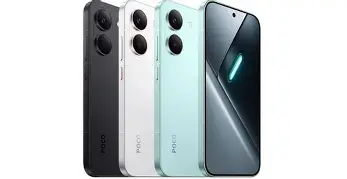
The Poco X8 Pro Max is built for buyers who prioritize bang-for-buck performance and endurance. Its design language leans practical: a solid metal frame (or dense polycarbonate in some regional variants), a flat or gently curved display depending on region, and a focus on cooling for sustained performance.
Display and media consumption
Poco has historically equipped its X-series phones with bright, high-refresh displays targeted at gamers and media consumers. The X8 Pro Max continues that trend with an AMOLED panel offering smooth animation and a high refresh rate suitable for gaming and social media scrolling. The display balance favors punchy colors and high brightness for outdoor visibility—useful for navigation on sunny days or watching video on the commute.
Performance and thermal behavior
Internally, the Poco tends to use high-performance midrange or near-flagship chipsets that deliver excellent day-to-day responsiveness and gaming frames-per-second for most modern titles. The brand also often leverages robust cooling solutions and software optimizations to keep sustained loads manageable. For buyers who play graphics-heavy games, the Poco offers a favorable performance-to-price ratio.
Battery life and charging
Battery endurance is a central selling point. The Poco X8 Pro Max focuses on long runtimes and efficient power management, making it reliable for full workdays and multi-day travel without urgent charging. Fast wired charging is available and is usually competitively rated, though wireless charging is less commonly emphasized on value-focused models.
Cameras
Poco’s camera strategy on the X8 Pro Max blends high-resolution sensors with computational processing to satisfy social-media-oriented shooters. Daylight results are typically strong for the price point: good detail, vivid color, and quick focus. Low-light and portrait work can be uneven compared with premium flagships—software post-processing helps, but readers who prioritize top-tier low-light imaging may notice the difference.
Software and updates
The Poco experience is often a heavily customized Android fork focused on features and customization. This delivers a rich set of options for power users but can include preinstalled features and visual changes that some buyers find verbose. Update policies vary by region; prospective buyers should check the vendor's current update commitments for security patches and OS upgrades.
Real-world use cases where Poco shines
- Mobile gaming on a budget: strong sustained performance and a cooler chassis for prolonged sessions.
- Long days away from power outlets: dependable battery life for travel and workdays.
- Value-conscious buyers who want high refresh display and capable hardware without premium pricing.
Detailed analysis: Honor Magic 8 Pro
The Honor Magic 8 Pro targets buyers who want a polished flagship experience. Its strengths are in premium design, refined camera systems, and a focus on software fluency. Honor’s approach emphasizes balance—camera quality, display excellence, and a more curated software experience that aims to feel cohesive.
Looking for the best Mobile Phones deals on Amazon?
Browse Now →Display and design
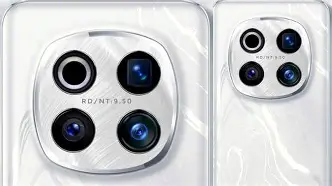
The Magic line from Honor is known for its striking, often curved OLED displays with high refresh rates and accurate color reproduction. The Magic 8 Pro continues that focus with a refined build: narrower bezels, premium materials, and ergonomic curvature for two-handed comfort. The screen is tuned for content creators and media enthusiasts who value color accuracy for photo editing and movie watching on the device.
Performance and day-to-day smoothness
The Magic 8 Pro typically uses a flagship-grade chipset and is tuned for snappy performance across multitasking, productivity, and high-end gaming. The combination of memory management and software-level animations provides a premium feel in interactions. Thermal management is designed to sustain peak loads while keeping surface temperatures comfortable.
Camera system
Honor has invested in camera tuning and partnerships with imaging specialists. The Magic 8 Pro’s camera suite is engineered to deliver strong results across lighting conditions, with better low-light performance and more consistent portrait rendering than many value flagships. Video capture is another strength, often offering stabilized footage and faithful color science for content creators.
Battery, charging, and extras
While battery capacity may be modest compared with some value devices, Honor focuses on efficiency and fast charging technologies, often including both fast wired and wireless charging options. Extras like advanced haptics, stereo speakers tuned for clarity, and useful photography tools are part of the premium package.
Software and update expectations
Honor’s software tends toward a cleaner Android skin with fewer aggressive customizations than value-focused brands. Update cadence for major OS upgrades and security patches is commonly better on premium devices, but buyers should still verify the manufacturer’s published support policy for the newest commitments.
Real-world use cases where Honor excels
- Mobile photography and videography for social creators who demand consistent results.
- Users who value a premium feel, design, and display for daily interactions and media consumption.
- Professionals who multitask and want a smooth, responsive device with polished software.
Pros & Cons
Poco X8 Pro Max
- Pros: Excellent value for money; strong battery life; high-refresh display for gaming; aggressive hardware for performance per dollar.
- Cons: Camera performance can lag behind true flagships in low light; software can be cluttered for users who prefer stock Android; wireless charging and premium finishes are less common.
Honor Magic 8 Pro
- Pros: Premium design and display; polished camera tuning with better low-light and video results; refined software experience and likely stronger update commitment.
- Cons: Higher price point; battery capacity may be smaller than value rivals (though charging speed mitigates this); premium features increase cost for buyers focused purely on specs-per-dollar.
Side-by-side comparison
| Category | Poco X8 Pro Max | Honor Magic 8 Pro |
|---|---|---|
| Positioning | Value-oriented near-flagship focused on performance and battery | Premium flagship focused on design, camera, and software polish |
| Display | Bright high-refresh AMOLED tuned for gaming and media | High-fidelity curved OLED with color accuracy and premium finish |
| Performance | High-performance midrange/near-flagship SoC good for gaming | Flagship-class SoC for top-tier responsiveness and multitasking |
| Battery & Charging | Large battery and long runtimes; fast wired charging | Balanced battery with fast wired and often wireless charging |
| Cameras | High-resolution primary; strong daylight, variable low light | Consistent multi-camera system with better low-light and video |
| Software | Feature-rich but heavily customized Android skin | Cleaner, more refined Android experience with better polish |
| Build & Extras | Practical build; emphasis on cooling and ergonomics | Premium materials, haptics, stereo speakers, wireless charging |
| Value | Excellent for budget-conscious power users | Best for buyers prioritizing flagship experience over raw value |
Buying guide: which phone is right for which buyer?
Choosing between these phones depends less on a single spec and more on priorities and real-world needs. The following guidelines help match buyer profiles to the right device.
1. Prioritize camera quality and polished software
Choose the Honor Magic 8 Pro if photography, consistent low-light performance, and a refined daily experience matter most. Creators who edit on-device, shoot video regularly, or want more predictable camera results will appreciate the premium tuning and additional software features.
2. Prioritize battery life and raw value
Choose the Poco X8 Pro Max if long battery life, strong gaming performance, and the best hardware-per-dollar matter most. This phone suits students, commuters, and travelers who need endurance and speed without paying for premium materials or extras they seldom use.
Discover deals on Mobile Phones — updated daily.
Shop Amazon →3. Consider future software support
Long-term OS upgrades and security patches are important for owners who keep phones multiple years. Historically, premium models tend to receive longer official support windows. Buyers who plan to keep their phone for 2–3 years should verify the manufacturer's stated update policy before purchase.
4. Decide on the ecosystem and services
Honor and Poco (under different parent brands) may offer different companion services, cloud storage, and cross-device features. If other devices (laptops, tablets, wearables) are already used, choose the phone that integrates best into that ecosystem to save friction in daily workflows.
5. Storage and RAM recommendations
Buyers who plan to keep many apps, games, photos, and videos locally should opt for larger storage tiers and more RAM—especially for the Poco X8 Pro Max, where aggressive app caching and multitasking can benefit from extra memory. For the Honor Magic 8 Pro, higher storage also helps photographers and videographers who record at high bitrates.
6. Practical considerations: size, warranty, and accessories
Try both devices in person if possible to check comfort, button placement, and how the phone fits pocket or hand. Verify warranty terms and local service availability—premium repairs can be costly if service networks are thin. Finally, factor in accessory costs (cases, screen protectors) since the premium finish of the Magic 8 Pro often merits protective cases to preserve resale value.
Real-world scenarios and recommendations
Below are practical scenarios that illustrate which phone better suits common buyer needs.
- Daily commuter who streams and browses: Poco X8 Pro Max—great battery and display brightness for outdoor commuting, long playback time between charges.
- Content creator shooting short-form video: Honor Magic 8 Pro—better camera consistency and video features make editing and publishing faster and more predictable.
- Mobile gamer: Poco X8 Pro Max—optimized for sustained performance and thermals, offering higher frame stability in long sessions for many titles.
- Professional who needs a polished device for meetings: Honor Magic 8 Pro—premium materials, better microphone/voice capture, and refined UI create a more professional impression.
Final considerations before purchase
Price fluctuations, regional variants, and promotional offers can shift the value equation. Readers are advised to compare the exact regional configurations (chipset, storage, and wireless bands) and to read recent hands-on reviews and community feedback for long-term reliability and software update experiences. Also consider trade-in opportunities and timing: buying just after a newer model launch can yield better prices on the outgoing model.
Conclusion
Both the Poco X8 Pro Max and Honor Magic 8 Pro are valid choices in 2026, but they answer different questions. The Poco is a pragmatic pick for users who want maximum performance and battery life for their money. The Honor Magic 8 Pro is for buyers who prioritize a premium display, refined cameras, and a more cohesive day-to-day software experience. The right choice depends on whether the buyer values aggressive value and endurance or a polished flagship experience with stronger imaging and design. By aligning priorities—battery and performance versus camera and premium feel—buyers can select the device that best fits their real-world needs.