Which is Better Value? Samsung Galaxy S25 Edge vs 8849 Shark 3 Rugged Smartphone Compared
Introduction
When choosing a new smartphone, buyers often face a familiar trade-off: premium flagship polish versus purpose-built toughness. The Samsung Galaxy S25 Edge represents the modern flagship route — emphasis on slim design, a top-tier screen and camera system, and the broader Samsung ecosystem. The 8849 Shark 3 Rugged Smartphone approaches the market from the other direction: durability, long battery life, and features tailored for outdoor work and extreme use cases. This article compares the two across the factors most buyers care about — display, performance, camera, battery life, durability, software and support, and long-term value — and offers a practical buying guide keyed to everyday real-world scenarios.
Quick product overviews
Samsung Galaxy S25 Edge — the premium all-rounder
The Galaxy S25 Edge is positioned as Samsung's flagship-edge variant aimed at users who prioritize a best-in-class display, versatile cameras, and a refined industrial design. It typically blends a curved, high-resolution AMOLED panel with fast refresh rates, a flagship application processor, and Samsung's feature-rich One UI. The S25 Edge is intended for power users, mobile photographers, productivity-minded customers, and anyone who values a compact-but-capable premium phone for day-to-day life.
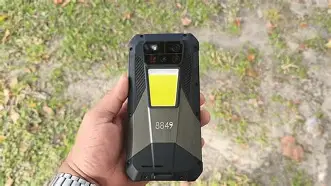
8849 Shark 3 Rugged — the purpose-built tough phone
The 8849 Shark 3 Rugged is designed for durability above all. It targets professionals who work in construction, field services, emergency response, and outdoor enthusiasts who need a device that survives drops, water, dust, and harsh environments. Rugged phones like the Shark 3 focus on heavy-duty casing, large batteries, physical buttons, and features such as thermal imaging, programmable keys, or long-range radios in some builds. Performance and camera refinement are secondary to reliability and uptime.
Detailed product analysis
Design and durability
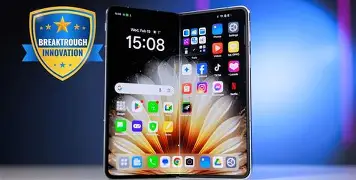
Galaxy S25 Edge: The S25 Edge leans into a premium aesthetic with glass-and-metal construction and a thin profile. The curved display contributes to an immersive look and slim bezels, but curved glass can be more vulnerable to impact and is often more expensive to repair. The phone typically offers IP68 dust/water resistance, which handles daily spills and occasional submersion.
Shark 3 Rugged: The Shark 3 emphasizes shock resistance, reinforced corners, and sealed ports. Expect layered protective materials, rubber bumpers, and possibly compliance with industrial standards for drops and ingress protection (e.g., IP68/IP69K or military drop ratings). It is bulkier and heavier than a flagship but built to endure drops, vibration, dirt, and moisture — practical for work sites and outdoor adventures.
Display and usability
Galaxy S25 Edge: The headline feature is the high-contrast AMOLED with very high resolution and a buttery refresh rate (often 120Hz or higher). Colors are vivid, blacks are deep, and brightness is usually sufficient for outdoor use. The curved edges improve aesthetics and one-handed reach for some gestures, though edge-touch sensitivity and accidental taps can be a consideration.
Shark 3 Rugged: Rugged devices generally use LCD or durable AMOLED panels that prioritize visibility in sunlight and resistance to impact. The screen may have lower resolution and a lower refresh rate, but manufacturers tune them for legibility when wearing gloves and for use with wet hands. Some rugged phones include glove modes, larger bezels for protection, and physical shortcut buttons that improve field usability.
Performance and everyday responsiveness
Galaxy S25 Edge: As a flagship, the S25 Edge typically ships with a top-tier chipset and ample RAM, which translates to smooth multitasking, fast app launches, and strong performance in mobile games. This is beneficial for users who run demanding apps, edit photos or video on-device, or want long-term performance headroom.
Shark 3 Rugged: Performance is usually midrange to upper-midrange in rugged phones. The emphasis is on reliable operation rather than raw benchmark numbers. For day-to-day tasks, navigation apps, and field-service software, a competent CPU and sufficient RAM are adequate. Users who prioritize mobile gaming or intensive editing may notice a difference compared to a flagship.
Looking for the best Mobile Phones deals on Amazon?
Shop Amazon →Camera systems
Galaxy S25 Edge: Samsung's flagship camera stack is a major selling point: multiple lenses (wide, ultrawide, telephoto) with advanced computational photography, superior low-light performance, and versatile zoom. For many buyers, the camera quality is a decisive factor — from social sharing to content creation.
Shark 3 Rugged: Rugged phones usually offer functional camera systems designed to document site work, capture evidence, or record outdoor activities. While adequate for documentation, they often lack the advanced sensors, optical zoom, and processing finesse seen in flagship devices. Some rugged models include niche sensors (thermal or laser range) useful for professionals but irrelevant to general consumers.
Battery life and charging
Galaxy S25 Edge: Flagship phones balance thinness with sufficient battery, delivering a full day of mixed use for most users. Fast charging, wireless charging, and reverse wireless charging are common conveniences. Heavy users could still need a top-up by evening, depending on screen use and camera activity.
Shark 3 Rugged: This is where rugged phones often excel: much larger battery capacity and power management tuned for extended runtime. A rugged phone may deliver multi-day battery life under normal use — a critical advantage for field workers or travellers without frequent charging options. Fast wired charging is usually supported; wireless charging is less common due to protective casings.
Software, updates, and ecosystem
Galaxy S25 Edge: Samsung's One UI provides feature-rich software, a polished app experience, and continuity with tablets, watches, and other Samsung devices. Samsung has improved its long-term update commitments in recent generations, which strengthens long-term value for buyers who keep their phones several years.
Shark 3 Rugged: Rugged-device makers vary widely in update frequency and OS polish. The core Android experience is often present, but software updates and long-term support can be shorter than mainstream flagships. For users who need specialized apps or custom deployments, rugged phones often provide enterprise-friendly features such as MDM compatibility and programmable physical buttons.
Connectivity and extras
Both categories can include modern connectivity: 5G, Wi‑Fi 6/6E, Bluetooth 5.x, NFC, dual-SIM support, and GPS. The Galaxy S25 Edge will likely have broader accessory compatibility (wireless earbuds, Samsung DeX, smart home integration). The Shark 3 might include extras aimed at fieldwork — push-to-talk, replaceable batteries or battery-saving modes, and robust GPS/GLONASS for more consistent location tracking under canopy or in remote areas.
Pros & Cons
Samsung Galaxy S25 Edge
- Pros: Premium display with high refresh rate; top-tier performance for gaming and productivity; advanced camera system for photos and video; refined software and ecosystem integration; more polished industrial design and repair network support in many regions.
- Cons: More fragile design relative to rugged phones; repair costs for glass and curved screens can be high; typically higher price; battery life may be shorter than rugged alternatives under heavy use.
8849 Shark 3 Rugged Smartphone
- Pros: Exceptional durability and ingress protection; long battery life suitable for multi-day field use; features geared to outdoor and industrial workflows (physical buttons, glove support); typically a better fit for harsh environments.
- Cons: Bulkier and heavier; camera and screen may lag behind premium flagships; software updates and ecosystem may be limited; performance for demanding apps and games may be lower.
Side-by-side comparison
| Category | Samsung Galaxy S25 Edge | 8849 Shark 3 Rugged Smartphone |
|---|---|---|
| Design | Sleek glass-and-metal, curved edges, premium finish | Reinforced casing, larger bezels, built for drops and impacts |
| Display | High-resolution AMOLED, high refresh rate, vivid color | Durable panel tuned for visibility and glove/wet use |
| Performance | Flagship-class chipset and RAM for demanding apps | Midrange/robust performance for utilities and field apps |
| Camera | Advanced multi-lens system with computational photography | Functional cameras for documentation; niche sensors possible |
| Battery | Balanced battery life; fast and wireless charging supported | Large capacity for multi-day use; focus on runtime over thinness |
| Durability | IP-rated for daily protection but fragile glass | Engineered for extreme conditions and repeated abuse |
| Software & Support | Regular OS updates, broad ecosystem and service network | May have tailored business features; updates vary by maker |
| Portability | Thin and lightweight | Heavier and bulkier |
| Best for | Mobile photographers, power users, mainstream consumers | Field workers, outdoor adventurers, industrial use |
| Value proposition | Premium capabilities and long-term software value | Reliability and runtime where downtime is unacceptable |
Real-world use cases: who should pick which?
Deciding which phone is better value depends largely on context. Here are several realistic scenarios that highlight which device typically makes more sense.
Find top-rated Mobile Phones products at great prices.
See Deals →Urban professionals and content creators
For someone who uses a phone as a daily driver in urban environments — commuting, meetings, editing photos, streaming, and managing media — the Galaxy S25 Edge is usually a better fit. The camera system, display quality, and performance make it more productive for content creation and entertainment. Long-term software support also increases total value for people who keep phones for several years.
Field technicians, construction workers, and first responders
For work where the phone is exposed to drops, dust, water, temperature swings, and rough handling, the Shark 3 Rugged presents clear advantages. The extended battery life prevents mid-shift outages, and the rugged design reduces the risk of damage — saving replacement costs and operational downtime. Programmable buttons and specialized sensors can also improve efficiency in these roles.
Frequent travelers and outdoor adventurers
Travelers who spend long stretches away from reliable power may prefer the Shark 3’s battery endurance. Hikers, overlanders, and campers will value the robust construction, extended runtime, and physical controls. However, if photography and compact packing are priorities, a lightweight flagship like the S25 Edge (paired with a protective case) could strike a better balance.
Budget-conscious buyers focused on longevity
If the question of value includes long-term software updates and resale, the Galaxy S25 Edge’s strong update policy and brand support could deliver better lifecycle value, despite a higher upfront price. For buyers who measure value by reduced downtime and repair frequency in harsh environments, the Shark 3’s rugged build may save money over time.
Buying guide: how to choose
When deciding between a premium flagship and a rugged phone, weigh the following factors according to personal needs.
- Primary use case: Is the phone mainly a work tool in harsh environments, or a daily lifestyle device for media and photography? Prioritize ruggedness for the former and display/camera/performance for the latter.
- Battery priorities: Consider how long the user spends away from charging. Multi-day battery life in rugged phones is a tangible advantage for field use and travel.
- Repairability and cost of ownership: Flagship glass repairs can be expensive; rugged phones reduce breakage risk but may have less established repair networks. Check local repair availability and warranty terms.
- Software updates: For security and new features, longer software support improves long-term value. Mainstream brands usually offer more predictable update schedules.
- Accessory ecosystem: If the user relies on wearable devices, docks, and wireless accessories, a flagship in a mainstream ecosystem will often be more compatible.
- Weight and pocketability: Rugged phones are heavier. If pocket comfort and one-handed use are critical, a flagship is preferable.
- Specialized features: Consider niche needs — thermal imaging, programmable keys, replaceable batteries — which are available on some rugged models but not on flagships.
- Resale and longevity: Research expected resale value and manufacturer support; flagship models often retain higher resale value.
Practical buying checklist
- Test how the phone feels in a pocket and hand — bulk and grip matter for daily use.
- Verify the actual ingress and drop ratings (IP, MIL-STD) and understand what those certifications mean in practice.
- Check battery capacity and real-world endurance reports from reviewers — manufacturer claims can differ from everyday use.
- Confirm the update policy and warranty coverage; ask about regional service centers if repairs are a concern.
- Consider protective accessories: a rugged case for a flagship or a screen protector for a rugged phone can alter the value calculation.
- Think about accessories and ecosystem: will the phone work with existing earbuds, smartwatches, or car systems?
Conclusion
Value is subjective and use-case dependent. The Samsung Galaxy S25 Edge typically offers superior display quality, camera capabilities, and a refined software ecosystem that appeals to mainstream buyers, content creators, and power users who value performance and a polished experience. The 8849 Shark 3 Rugged Smartphone, by contrast, provides tangible value where durability, long battery life, and resilience matter — for field professionals, outdoor adventurers, and anyone who cannot afford device downtime.
For most everyday consumers living and working in low-risk environments, the Galaxy S25 Edge will represent better overall value because of its performance, camera, and software longevity. For buyers whose primary requirement is reliable operation under harsh conditions, the Shark 3 Rugged delivers better practical value through reduced breakage, longer runtime, and job-focused features. The right choice depends on which trade-offs align with the buyer’s daily reality — premium features and polish, or resilience and uptime.